
Curated by Melissa Joplin Higley
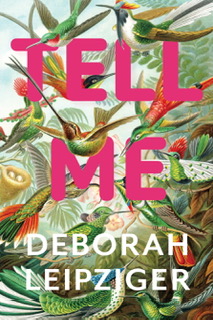 Deborah Leipziger, Tell Me, Lily Poetry Review Books, February 2026, poetry
Tell Me is a love letter to nature and to daughters, to the Beloved and to our future ancestors. These poems celebrate the poet’s Brazilian identity and her history as a daughter of refugees. The trans poet, Joy Ladin, writes: “A profoundly wise, humane and generous collection, Tell Me constantly generates and celebrates connection: between body and world, art and nature, individual life, and the sweep of often painful history. Overflowing with wisdom, tenderness, and celebration, Tell Me encourages us to recognize that your longing/ your garments of grief” are also “circles of belonging.”
 Ann E. Wallace, Keeping Room, Nixes Mate Books, February 2026, poetry
Keeping Room is an intimate collection grounded in familial spaces of home and garden. The poems grapple with the nature of survival, and the survival of nature, as experienced by a mother living in an overdeveloped city with a shrinking natural footprint. The collection spools from chronic illness, caregiving, and grief, to the loss of political freedoms, to the disrupted urban (and global) landscape. However, despite despair and uncertainty, the poems reach for hope, love, family, and strength in the unlikely places where they may be found, with a steady turn toward nature and healing, or often, healing through nature, throughout the collection.
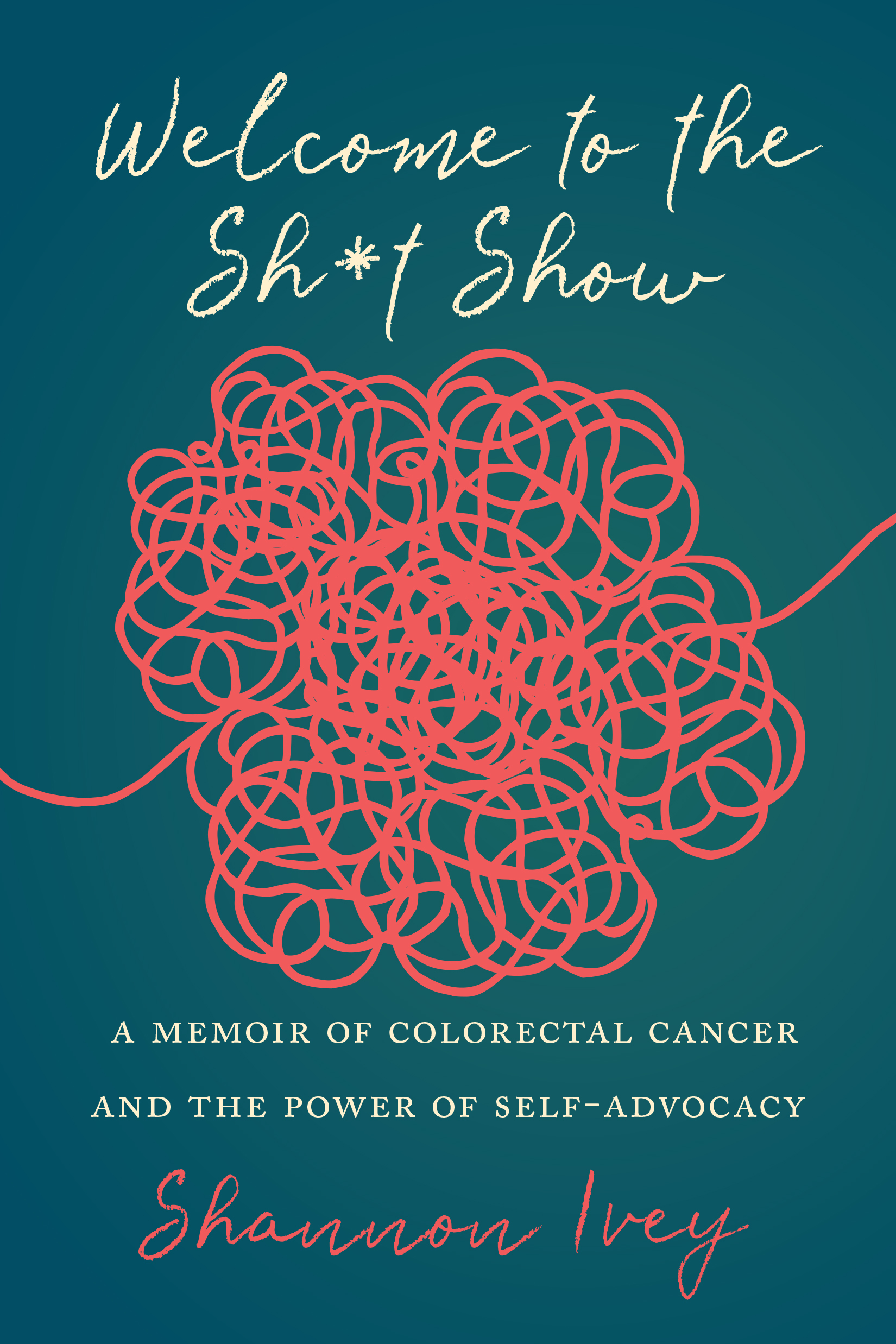 Shannon Ivey, Welcome to the Sh*t Show: A Memoir of Colorectal Cancer and the Power of Self-Advocacy, University of South Carolina Press, February 2026, creative nonfiction (memoir)
In Welcome to the Sh*t Show, Shannon Ivey delivers a frank account of her battle with colorectal cancer. She chronicles her journey from diagnosis through grueling treatment and arriving at her “new normal.” Throughout, she shares candid insights into the physical and emotional toll of treatment, social expectations, systemic barriers and inequities, and grappling with structural and internalized ableism. In the face of these obstacles, Shannon learned to advocate for her needs and built partnerships with her care team and the friends who remained by her side. Shannon’s honesty, resilient spirit, and biting humor transform a terrifying experience into a powerful message of hope, urging readers to fight for a meaningful and authentic life, no matter the odds.
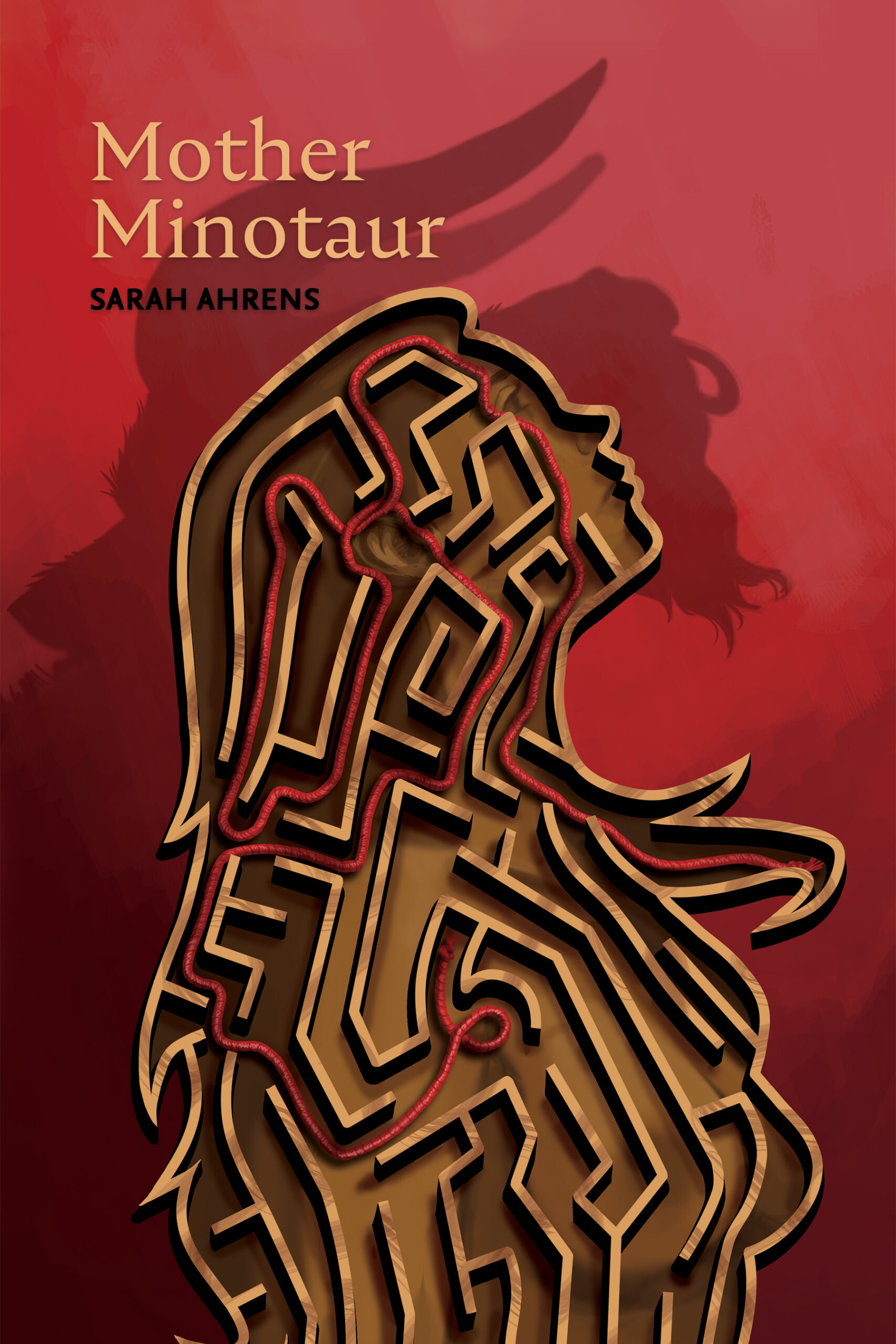 Sarah Ahrens, Mother Minotaur, Finishing Line Press, February 2026, poetry
Sarah Ahrens’s poetic memoir Mother Minotaur explores disability and motherhood through the lens of the Minotaur myth. The collection opens with a female Minotaur lost in the Labyrinth of Crete, tracing a narrative thread that runs back to the origin of her hearing loss and her struggle to understand her young children’s differently-wired brains. Her experience of confusion and inadequacy intensifies as she encounters mythical figures like Ariadne and Icarus’s mother, as well as her sleepwalking son and dreaming mother, before she finally confronts her own fear and self-doubt. Mother Minotaur will engage readers interested in the intersection of memoir and myth, the challenge of raising neurodivergent kids in an ableist world, and the way disability informs the labor of being an artist and a mother.
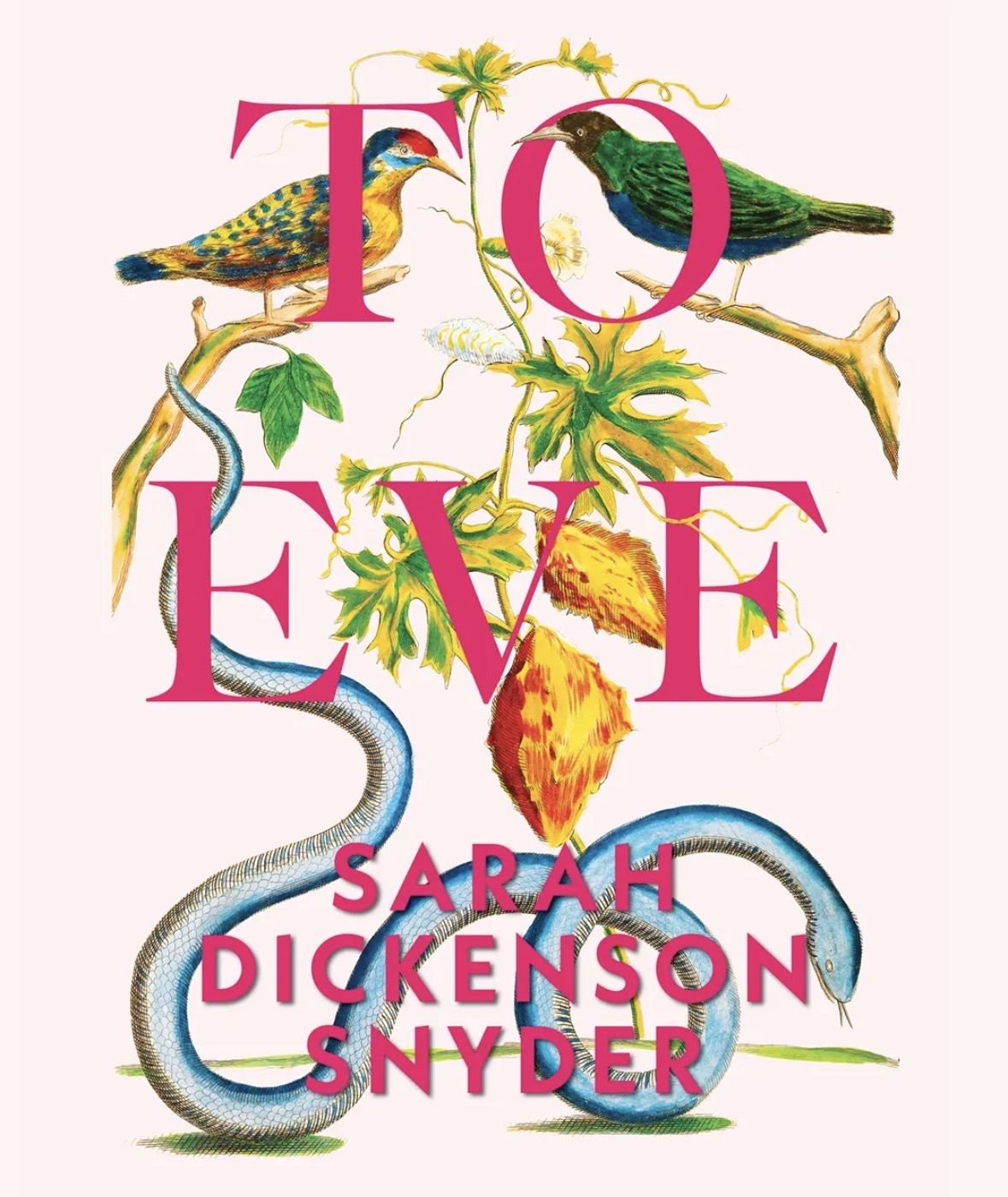
Sarah Dickenson Snyder, To Eve, Nixes Mate Books, March 2026, poetry
In To Eve, Sarah Dickenson Snyder dismantles the mythology of blame and rewrites the story of the first woman as one of agency, hunger, and sacred curiosity. This book-length poem moves from Eden to our modern-day life of parking garages, newborn clothing, placing the phone after a father’s diagnosis, and always in Snyder’s engaging voice: I don’t understand Reiki. Why not touch? / And yet I do believe in the energy / of between – look how magnets pull. In these times, we need these retellings, this reframing and reclaiming of maternal power, female desire, and strength. Let’s just love everyone, imagine / each is a god – this gorgeous book reminds us of our humanness and what it’s like to care and caretake, to live the larger life despite that no one I know has returned / from death to say, “You’ll be fine.” Both intimate and expansive, To Eve insists that knowledge is not a fall, but a beginning.—Kelli Russell Agodon, author of Accidental Devotions
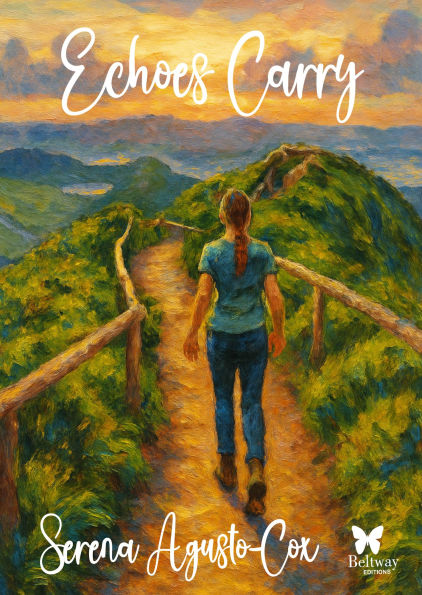 Serena Agusto-Cox, Echoes Carry, Beltway Editions, April 2026, poetry
Echoes Carry, by Serena Agusto-Cox, traces the intimacies of family, migration, and memory with lyrical precision. Through vivid domestic imagery—kneading bread, tending gardens, playing the piano—the poet transforms everyday gestures into acts of inheritance and resilience. Poems such as “America is,” “Pergola,” and “Finnish Pulla” braid ancestral histories with present moments, revealing how love and labor persist across generations. Later pieces on pandemic life extend the collection’s reach into modern isolation. Throughout, the poet’s voice is tender and assured, turning remembrance into renewal. Echoes Carry is a resonant testament to how memory and care sustain us.—Jona Colson, author of Said Through Glass
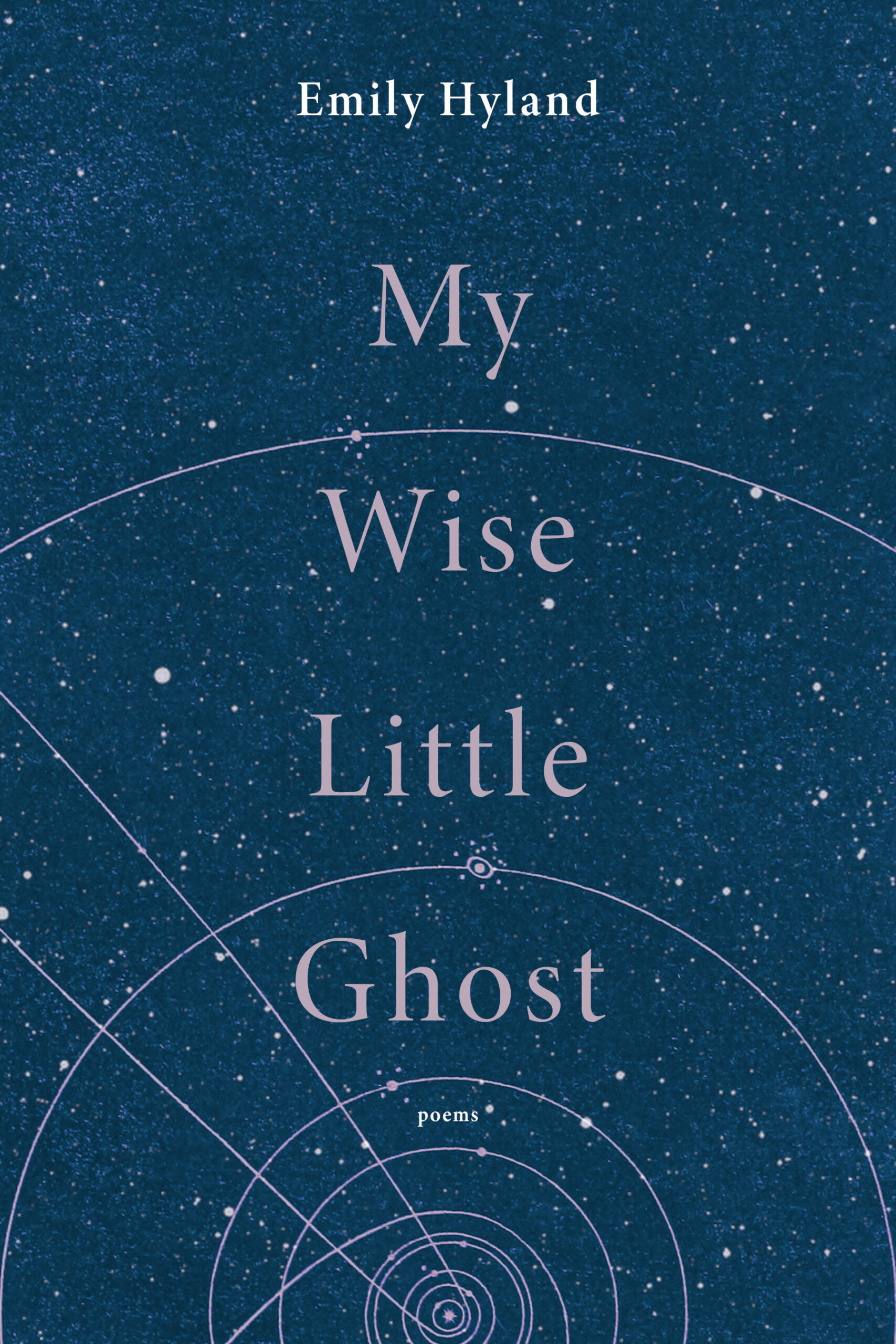 Emily Hyland, My Wise Little Ghost, Trio House Press, July 2026, poetry
In My Wise Little Ghost, Hyland’s latent grief over her abortion from many years ago is activated by her sister’s pregnancy. Week by week, as she learns all about how her niece develops in utero, Hyland uncovers the texture of buried, complicated feelings from the impossible timing and circumstance of the end of her marriage that led to the choice she made. As she tracks memory and experience on deep psychedelic therapy journeys, the unexpected arises: “who-would’ve-been-Daisy” finds voice and narrates the story from somewhere off in the cosmos, in conversation with Hyland, as each speaker works through what happened and touches into who they are—and aren’t—as a result of Hyland’s abortion.
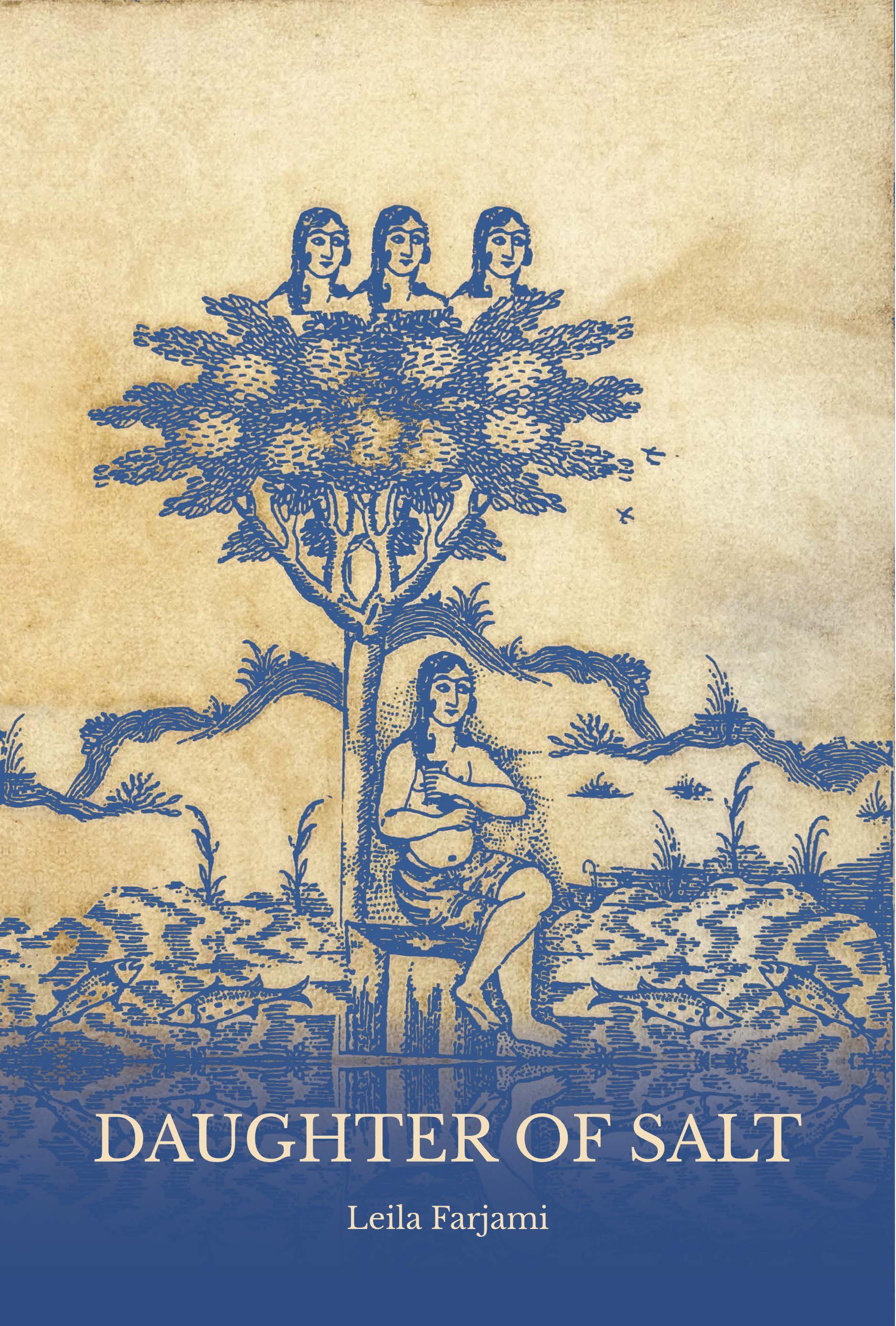 Leila Farjami, Daughter of Salt, Trio House Press, July 2026, poetry
Leila Farjami’s debut collection Daughter of Salt vacillates between rebellion, acceptance, and empathy. Moving between land and sea, mother and daughter, Iran and the United States, these poems chart a matrilineal inheritance shaped by war and endurance. Patriarchy, intergenerational trauma, and displacement swirl together, colored by the frustration at being expected to hold it all together for everyone else: A daughter made of salt—a dead sea to keep bodies afloat. This collection moves the reader into remembrance and healing—the preservation and renewal of the self that occurs when grace is given to others and ourselves, when we allow ourselves to keep close the memories we share with those we have lost.