
 Review by Melissa Kutsche
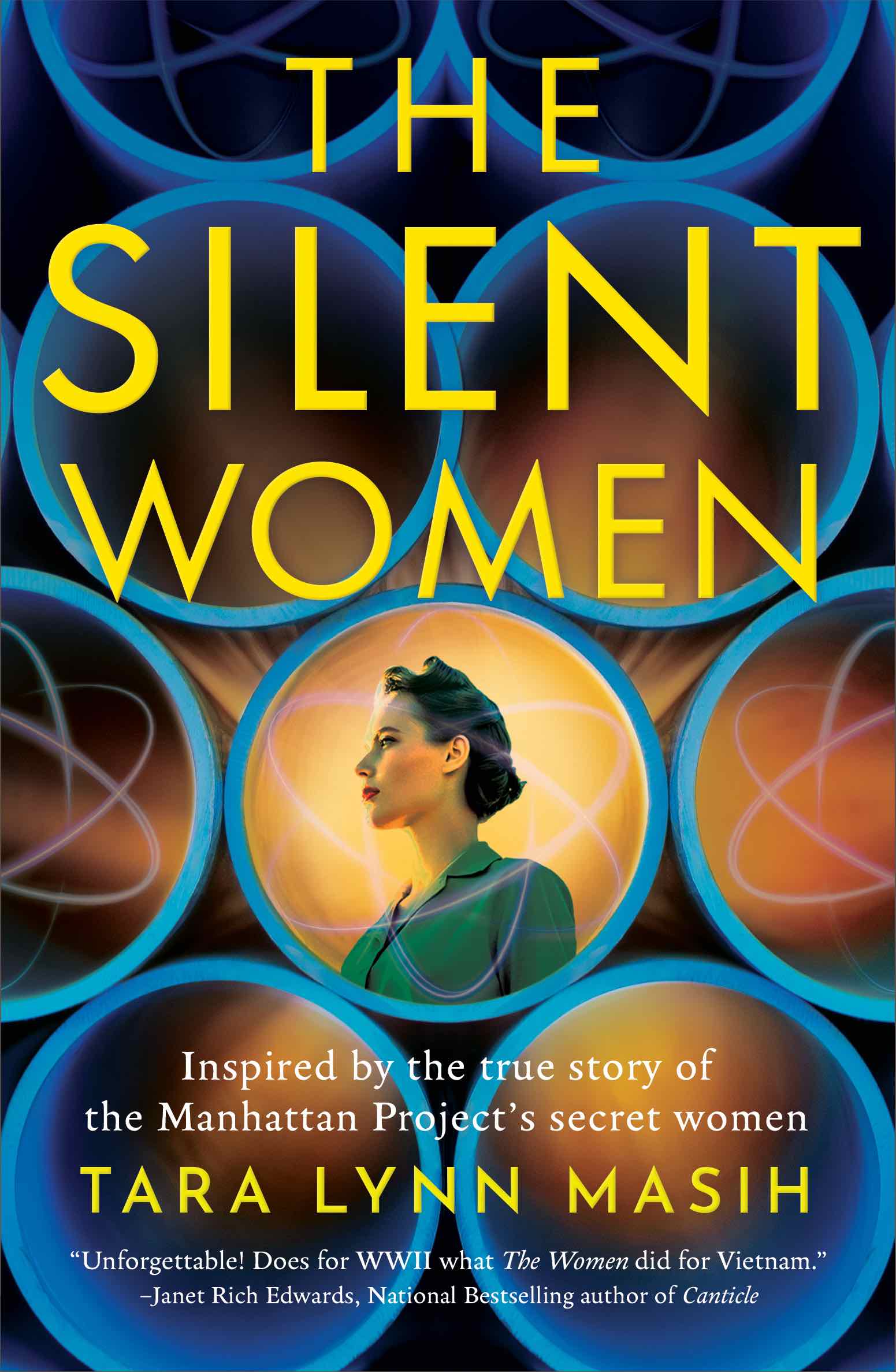
Tara Lynn Masih is an award-winning author of fiction, poetry, and essays. Her YA novel, My Real Name is Hanna, won the Florida Book Award for YA literature, and she has been nominated multiple times for the Pushcart Prize. In her debut historical fiction novel, The Silent Women, Masih gives readers a glimpse of the physical, psychological, and emotional burdens carried by women in World War II, and what happens when those burdens threaten the fragile bonds between friends, family, communities, and lovers.
After the Black Sunday dust storms of 1935 push the Holloway family to leave their Oklahoma home, Song Holloway spends her formative years in Andover, Massachusetts. It’s in Andover that Song first decides to serve her country in 1942 at age 15, working at a local strawberry farm with a crew of other women in order to keep the farm afloat after many of the community’s men have left to serve in the military. Later, Song volunteers to spend evenings watching and listening for enemy planes overhead. Eventually, Song is recruited to work at the Oak Ridge military facility in Tennessee, where she inspects pipes for leaks, only able to guess at the classified project to which she is contributing.
In between her shifts at Oak Ridge’s top secret K-25 plant, Song builds relationships with the other women recruited to do the clandestine work at Oak Ridge. One day, Song is summoned to an office where two men in suits task her with spying on her fellow Oak Ridge residents. “She realizes they are waiting for an answer to a question they’d vaguely asked. She suspects there is only one she can give. ‘Of course, anything for my country’” (Masih 160). Now, as Song performs her daily duties, she must decide—to whom will she be loyal? Will she remain loyal to herself and her ideals, to her friends, or to her country? Can she be loyal to one without compromising the others? Just as broken nuclear bonds can release enough energy to destroy a city, Song knows that her work as a spy threatens to break the bonds of friendship and destroy the trust she has worked hard to build.
In addition to the psychological burden of spying on her friends, Song and her coworkers bear the physical burden of war as they work long shifts and live in subpar conditions: “Rumors of scorpions abound. Rats scatter about, increasing by the day. She hears them squeaking around the trash cans when she and others visit Rose’s trailer Sunday nights, spots their thick ridged tails disappearing as the women approach the side door” (172).
Song and her colleagues also bear emotional burdens. When a nearby accident sends victims to the local hospital, Song and her friends show up to help. Their work includes comforting the gravely wounded, and although it is a grim duty, they are told, “‘Be strong, girls, you’re all they have at this moment.’” (165). Song knows how to summon strength; it’s how she survived the dust clouds of her youth, the loss of her father, and the transition from the comforts of home to life at Oak Ridge. But over and over again, no matter how unreasonable, strength is demanded of these women, even as they try to piece together a sense of normalcy for the sweethearts and husbands who return from war with their own troubling memories and secrets. From Oklahoma to Massachusetts, Tennessee, and Florida, Masih successfully centers women and their uncelebrated work.
Masih’s deft storytelling is amplified by her use of metaphor; again and again her words call to mind nuclear fission as she shows how the tiniest, seemingly inconsequential things—a speck of dust, a sideways glance, raindrops on a metal roof—can become agents of destruction, breaking bonds with catastrophic consequences. “Hol begins to pace the floor, holding his head in his hands. When lightning and thunder slam above at the same time, like an incendiary, the flash of light from the living room windows shows his terror” (305). Here, rain threatens the stability of a mind and a marriage, unleashing damage from which the couple may not recover.
Like all the best historical fiction, Masih’s novel sent me down internet rabbit holes as I read, taking breaks to learn more about the people, places, and events in Song’s story. The Silent Women might appeal to readers who crave stories about unsung heroes, especially fans of Kristin Hannah’s The Women, Kate Quinn’s The Alice Network, and Ariel Lawhon’s Frozen River.
The Silent Women by Tara Lynn Masih
Storm Publishing, 2026, 392 pages, $19.99 paperback
ISBN: 9781837005536
Melissa Kutsche lives in Michigan. She writes about midlife, motherhood, books, and other sacred/ordinary things. Read more on her website and Substack