
Curated by Melissa Joplin Higley
On our Bookshelf this month, books by Elizabeth Metzger, Preeti Parikh, Jo Pitkin, Erin Miller Reid, Linda Scheller, Suzanne Sherman, Avia Tadmor.
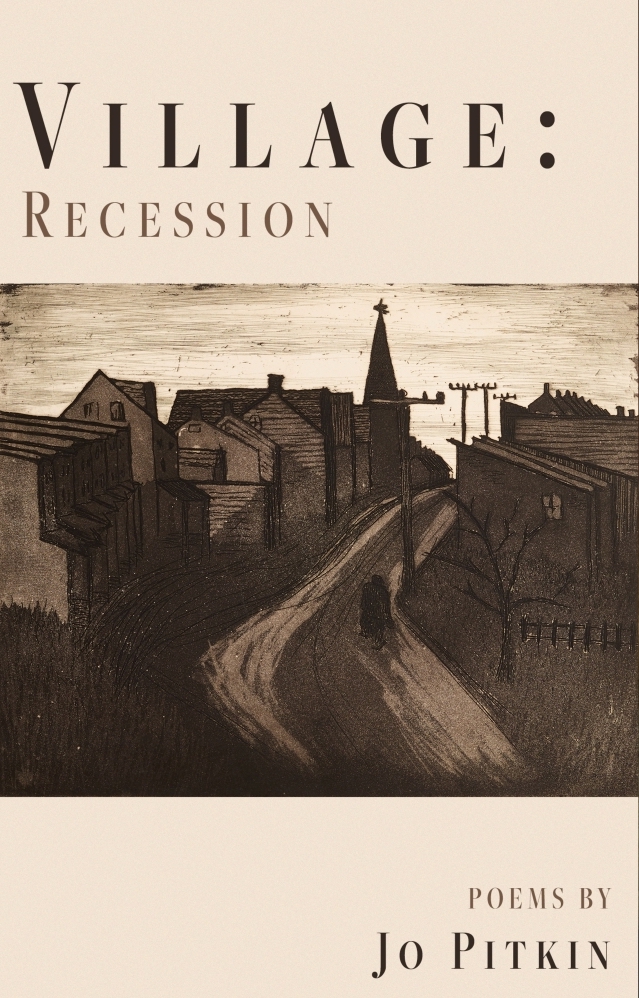 Jo Pitkin, Village: Recession, Finishing Line Press, August 2026, poetry
In Village: Recession, Jo Pitkin explores the Great Recession of the early 2000s from the intimate vantage point of an American village, documenting the effects of this worldwide economic meltdown on friends, family, and neighbors—like the hardworking snow plower or the carpenter who never finishes his own house in order to avoid paying higher property taxes—and on the poet herself. When the “recession’s serrated edge” profoundly alters her daily life, Pitkin finds temporary relief in small acts of kindness and solace in everyday encounters. Her poems not only capture the anxiety and isolation of being unexpectedly pushed out of the economic and, in turn, social mainstream but also convey with Dickinsonian detail the pleasures of ordinary experiences amidst the gradual contraction of her daily life. While tackling the impact of unanticipated financial upheaval and contemplating how repercussions of economic cycles in history have shaped twelve generations of her family, Pitkin at last discovers the strength to endure.
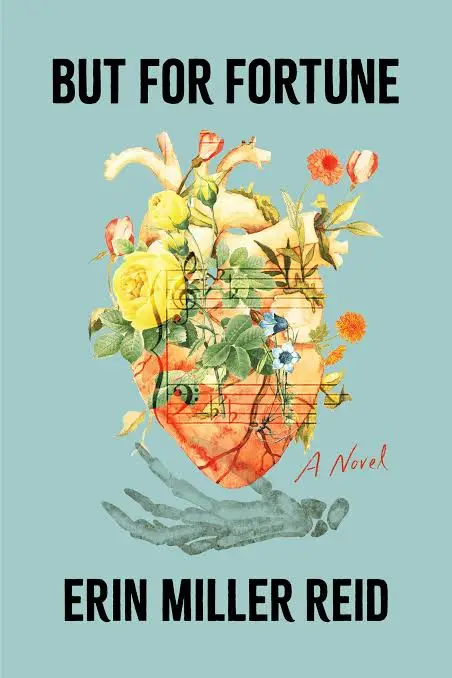 Erin Miller Reid, But for Fortune, University Press of Kentucky, September 2026, literary fiction (novel)
On the surface, Corinth Eaton’s life is going according to plan. She is succeeding in her third year of medical school and in a serious relationship with a man she intends to marry. In reality, Corinth is barely afloat, struggling with debilitating anxiety and depression, as well as the recent death of her father. A split-second decision results in her suspension from surgery rotation and reassignment to Maxwood, the state psychiatric institution where her grandmother was a patient for decades. Blooming from the seeds of author Erin Miller Reid’s family history, But for Fortune follows two women fifty years apart as they attempt to give voice to their own silenced realities. What unfolds is a whirling intergenerational exploration of mental illness, discrimination, and the insidious nature of family secrets. Writing in lush prose and drawing on her own experiences as a doctor, Reid weaves together a story that is at once incisive, heartfelt, and deeply human.
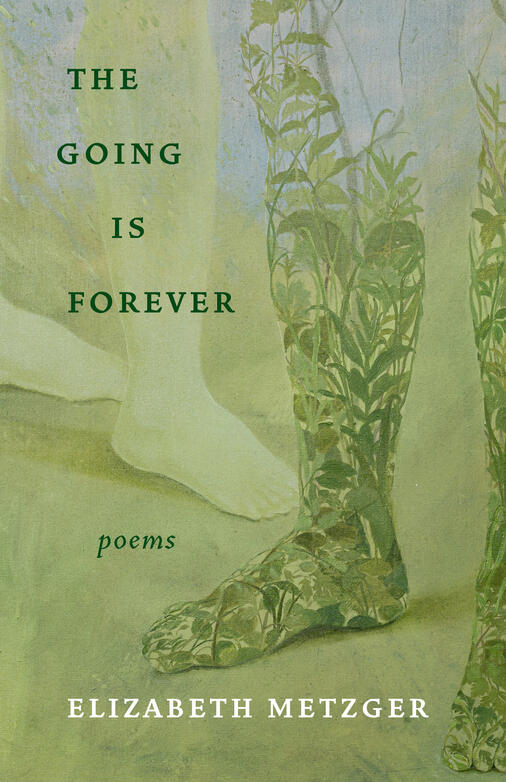 Elizabeth Metzger, The Going is Forever, Milkweed Editions, September 2026, poetry
Elizabeth Metzger’s third collection traces both holding on and letting go, tracking the non-linear journeys we take and the daily distances we cross for intimacy. Braiding a dissolving marriage, a son’s medical crisis, and the death of a father, the speaker reconceives loss as transformation and longing as ongoing love, exploring the multiplicity of the self in proximity to others. How do we relate to what we cannot know about those we love? How can we separate from one another without embodying parts of ourselves we haven’t met yet? The present revives the past, and every ending becomes a devotion to new beginnings as Metzger transforms ordinary domestic ruptures into intimate portals of pleasure and pain. A degenerative disease spurs a creative awakening. A trip to the farmer’s market invites questions of monogamy. An overgrown yard yields a crisis of faith. These poems fall in love with the absences that define us, retracing our chosen roads while following those less traveled and beckoning unlived lives. Celebrating the ordinary and extraordinary changes we undergo together, this collection explores our most surprising fantasies and deep spiritual yearnings. An honest, intricate, and breathtaking distillation of love’s true nature, The Going Is Forever reminds us that our closest relationships contain endless mysteries, and that there is never just one version of a life.
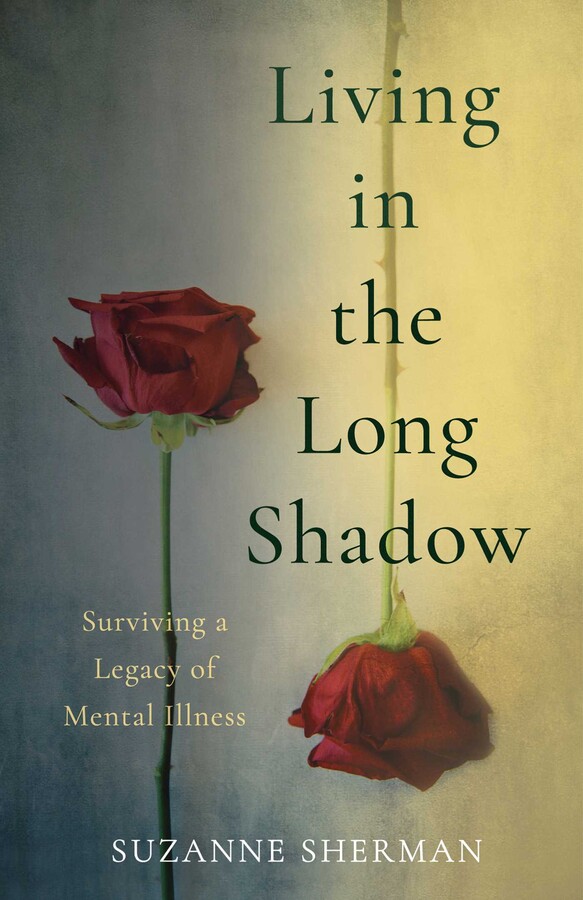 Suzanne Sherman, Living in the Long Shadow, She Writes Press, September 2026, creative nonfiction (memoir)
This literary coming-of-age memoir, set in ’60s–’70s Los Angeles, traces a daughter’s experience of her mother’s schizophrenia and its lasting fallout before an extraordinary sign teaches her that love endures beyond loss. Living in the Long Shadow is a poignant memoir told in dual timelines: the formative years of Suzanne’s childhood and the two weeks following her mother’s suicide when Suzanne is eighteen. With honesty and grace, Suzanne traces what it means to grow up in the shadow of mental illness—navigating her need for guidance and belonging, the fear of inheriting her mother’s illness, and the journey of loving a mother unable to live with or without her medication. Ten years after her mother’s passing, an extraordinary sign affirms the enduring presence of her love—and Suzanne’s grief begins to make room for acceptance. This is a story of resilience: the difficult choices that lead toward healing, the friendships and family bonds that sustain us, and the way love can reach us even after death.

Avia Tadmor, Song in Tammuz, Tupelo Press, October 2026, poetry
Winner of the International Berkshire Prize, Song in Tammuz draws from an incredible range of literary forms, from familiar couplets and tercets to footnotes, dictionary definitions, and luminous lyric fragments. While stylistically daring, even virtuosic, Avia Tadmor’s stunning debut is unified by its enduring engagement with questions of language and alterity. Named among “The 2026 Debut Poetry Collections You Need To Read” by Debutiful, Song in Tammuz, is a contemporary exploration of displacement, desire, and longing. In conversation with the Book of Ruth, these poems span centuries and continents while traversing linguistic forms, bringing old and new together as their speakers seek new definitions of self and of home.
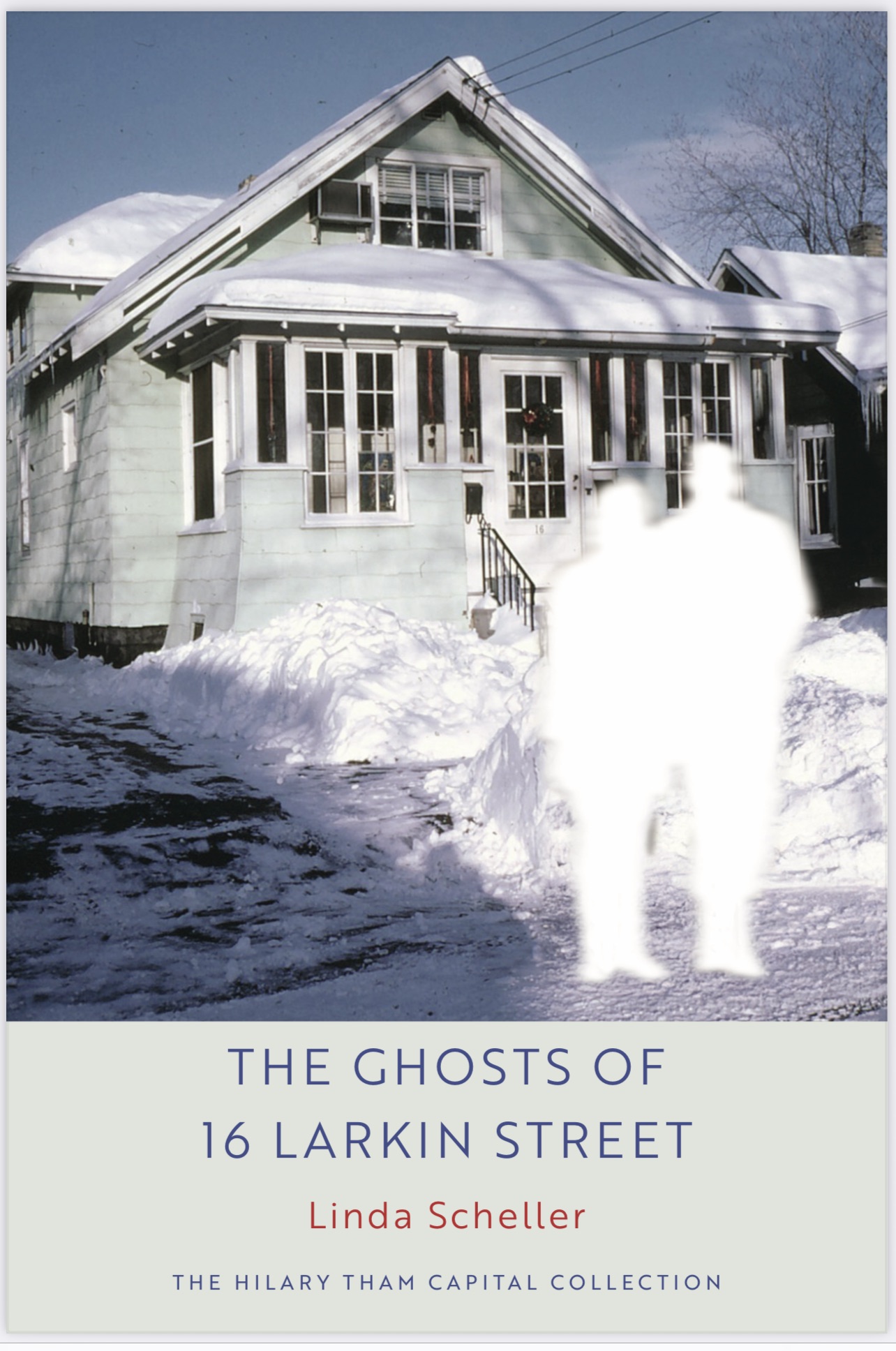
Linda Scheller, The Ghosts of 16 Larkin Street, The Word Works, October 2026, poetry
Linda Scheller’s fourth collection explores memory, family, home—all the ways these shape us, fail us, lift us up. Says Cyrus Cassells, “A wizard at revelatory domestic portraiture and telltale family incidents, Scheller reconstructs home and examines, with artfulness and agility, her German American heritage-not out of mere allegiance and nostalgia but in an intrepid quest for compassion, clarity, and authentic identity.” Lee Herrick adds, “This powerful memoir-in-verse charts the generational haunting of this brave poet’s lineage. From a family tragedy to secrets, depression, and recovery, Scheller has done the difficult work of engaging her ghosts. About her mother, she writes, ‘Before hanging up, I force myself to chirp / love you, short for I wish I could love you.’ This is how memory liberates. This is an honest, sobering, revelatory book.”
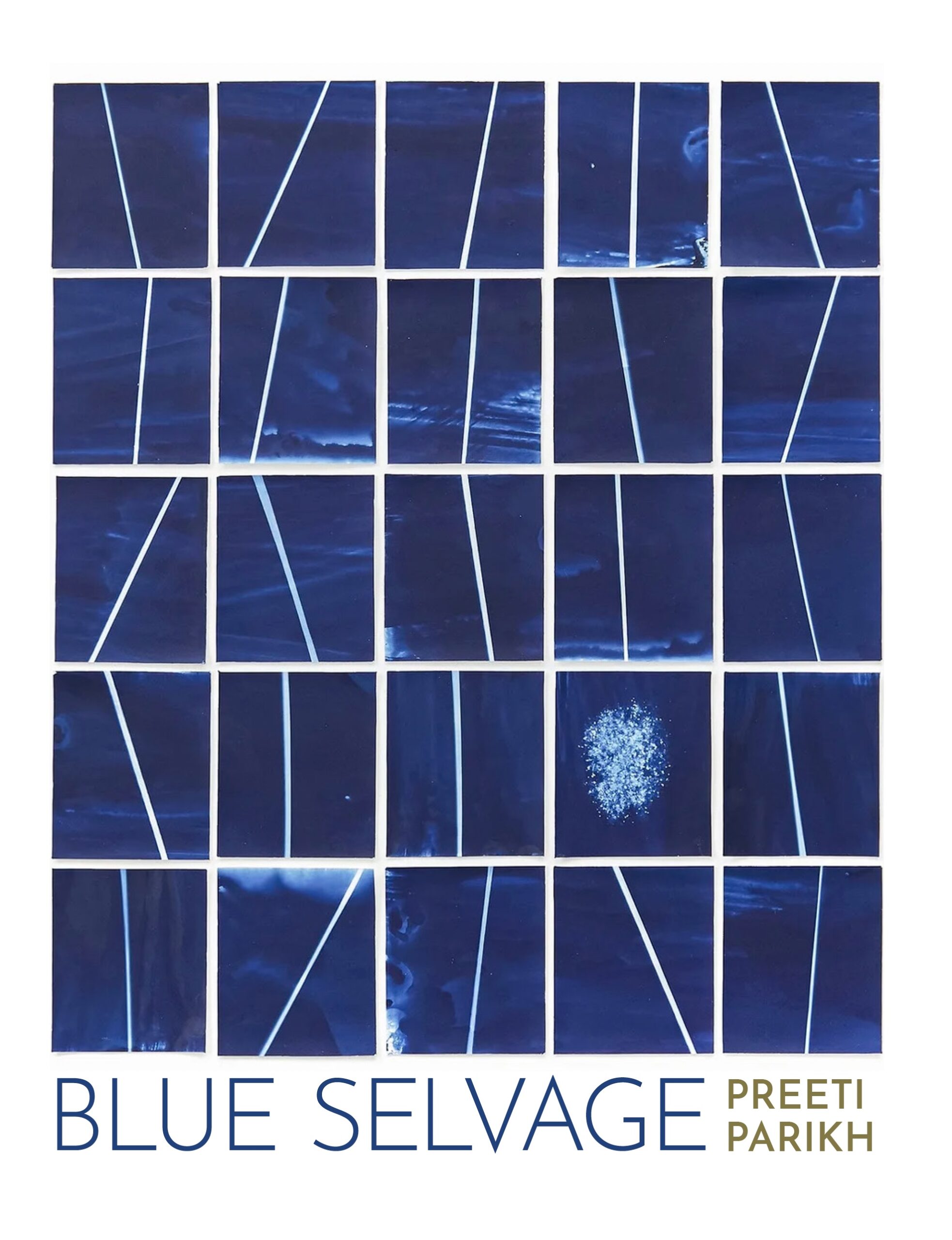
Preeti Parikh, Blue Selvage, Tupelo Press, November 2026, poetry
The poems in Blue Selvage weave lyric, essay, documentary fragments, and historical reckoning into an exploration of skin, cloth, color, and form as living archives—where the gendered, racialized, and colonial histories inscribed on the body are continually exposed, resisted, and re-stitched through memory, touch, and language itself. Throughout the book, recurrent vocabularies and silences—integument, selvage, gaze—operate as warp and weft, binding personal experience to collective striving, devotion, and survival. Meanwhile, on the page, multilingual textures and typographic openness resist closure, offering apertures for looking within and without. What emerges is a capacious field of attention, where intimacy and history press against one another, and where writing itself becomes an act of unstitching and re-making—an ethical, sensuous practice of staying with what the body remembers and what culture would prefer to erase.
Note: Books are listed in order of publication date.