
Tamara J. Madison
Dispatch
My mother suffered Beauty, having so much of it, being sought after, suitors lined and vying for her attention. What to do with all that fineness? It must have been a lot of upkeep to be the “Audrey Hepburn” of her community. Yes, she had the album from the soundtrack, Breakfast at Tiffany’s with big hazel-eyed Audrey on the cover with her hair immaculately coiffed, strands of pearls pertly placed, and an extended cigarette holder perfectly poised. With so many accessories to choose, I imagine her assistant and wardrobe consultant picked them for her while she soaked in the tub with cigarette on the side and champagne handy as bubbles floated in perfumed waters to soothe her weary from suffering so much fame.
My mother had none of these and never went to Tiffany’s but pulled it off with a sewing machine, sharp eyes, and all her mother taught her about lamb’s wool, matching purses and shoes, Sunday crowns fit for Elizabeth the Queen, and elbow gloves with pearls, always readied pearls.
My mother later suffered Beauty when her body refused to cooperate with the ruse. A cruel chronic illness crooked her joints and inflamed her muscles. Her pocked lungs even surrendered to the fight. She could no longer dance and struggled to maneuver housekeeping, cooking, and finally her own self-care. My mother suffered the loss of Glamor but kept most of her glow almost to the very end.
Thirty years later, I would stand on a porch communing with my elders and listen to a man swear his love for my mother and declare that she was the most beautiful woman he had ever seen. He spoke with such passion that you would think he had just seen her a week or so ago. There was a deep longing and sadness in his telling. I knew his admiration had nothing to do with pearls and gloves or satin on an hour-glass frame. I wondered if my mother ever knew. He even confessed that if she had left my father, he would be right there, all the way there…
She tried but never left my father.
Mother suffered Love, never having the love she imagined, never loving the way her deepest heart desired. My mother suffered being a wife all the nights my father left for the Club Paradise, the lounge, party, or wherever else and did not return until the next afternoon or evening. What to say to this? What to say to two daughters watching and wondering? What to say to the rumors, the women not wifed but entertained, nonetheless? What to say to her choices? What to say to him, the life of the party that so many enjoyed but her no longer?
When she had suffered enough, she did not respond with words but with a gun. The bullet missed. To me she never said a word about the shooting. Instead, she told my now ex-husband.
My mother suffered the fading of her Dreams, but with one shot, she launched a missive. My sister and I caught the flare and with scorched fingers and scarred palms, we run with it fiercely.
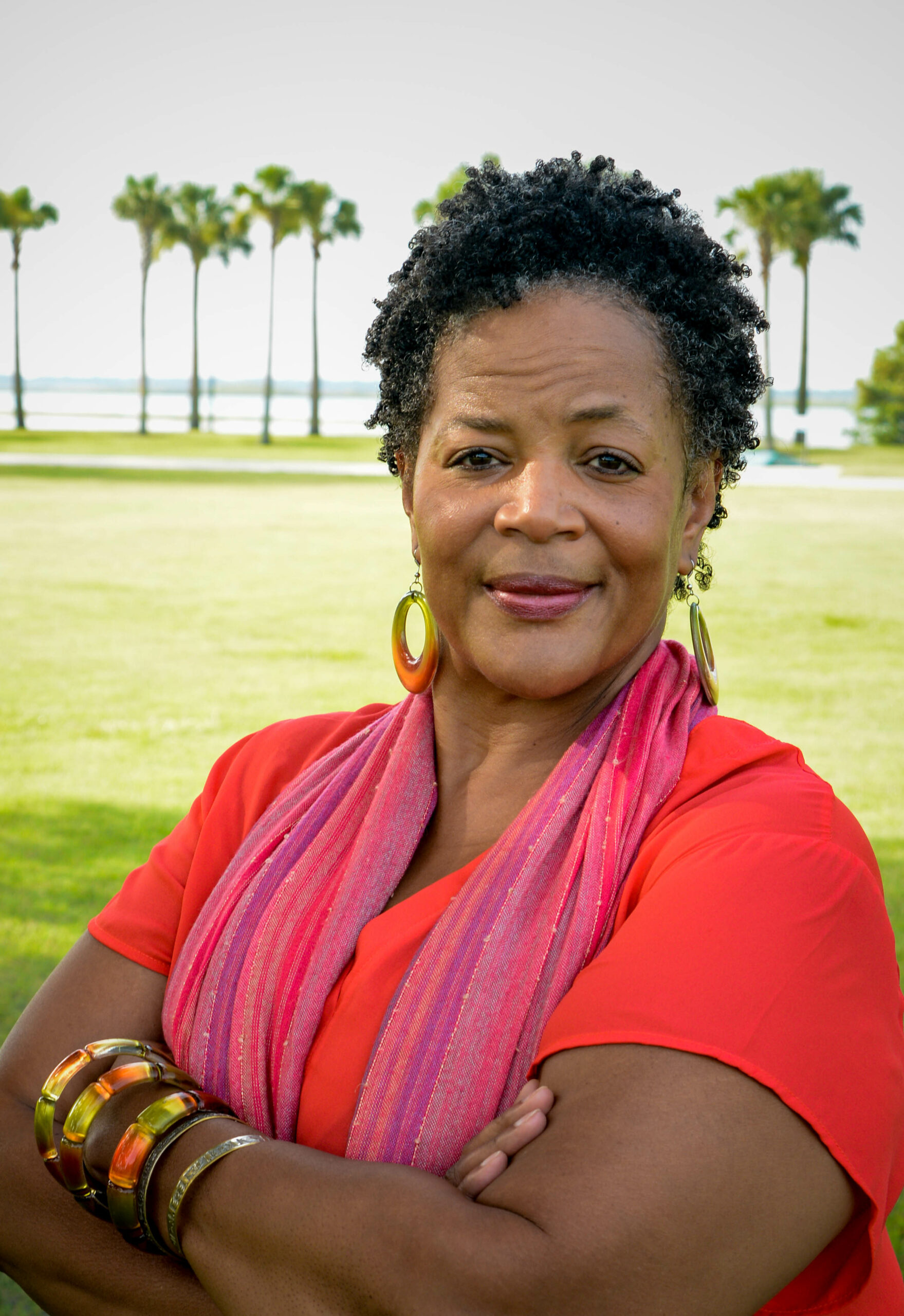 Tamara J. Madison is a writer/poet who explores ancestry and resistance. Her collection Threed, This Road Not Damascus was shortlisted for the Willow Books Literature Award. She produces BREAKDOWN: The Poet & The Poems, a YouTube series that promotes poetry as a source of everyday inspiration. Madison has performed on the TEDx stage and holds fellowships from Hedgebrook, Anaphora Arts, and Ucross. She is completing a new collection rooted in five generations of family history.