
Bethany Bruno
Love, Without the Ashes
I come from a long line of women who held their pain quietly, who carried too much and asked for too little.
Irish women. Women with too many kids, too little money, too much grief. Women who smoked through the storm, who buried sorrow beneath casseroles and silence. Women who waited for bad news in kitchens filled with cigarette smoke and folded it into their days like laundry. Women who clenched their jaws and passed down trauma like heirlooms.
I was raised by one of them.
My mother never drank, but she smoked like a chimney. The house held the scent of ash and antiseptic. Cancer became a permanent shadow in our home, something we lived around, like an old piece of furniture no one dared move. By the time I was old enough to understand, she had already survived it more than once. “I’m fine,” she would say, her voice scratchy, her eyes tired. “It’s nothing this time.”
But it was never nothing. Not really.
Some nights, I heard her coughing in the dark. Other nights, I heard her crying and lay still as stone, afraid to move. I watched her flick her lighter with muscle memory. I watched her light one cigarette off the last. I watched her sit at the table, shoulders hunched, staring into a space that didn’t include me. I watched her laugh too hard at late-night TV just to keep from disappearing altogether.
I learned early how to read the weight in her sighs. I learned how to brace for impact. I learned how to disappear too.
When I became a mother, I thought the worst was behind me. I thought surviving childhood had earned me peace. But trauma doesn’t honor timelines. It waits. It returns in the quiet hours between feedings, in the heavy air of postpartum nights, in the way I flinched when my baby cried too long.
I didn’t want to become my mother. But I didn’t know how not to.
That fear haunted me. Not just for myself, but for my daughters. I didn’t want them to inherit the silence, the guilt, the secondhand sadness I had grown up breathing. I didn’t want them to learn that love meant holding your breath. That motherhood meant martyrdom. That survival meant vanishing.
So, I started telling the truth.
I told my husband when I couldn’t stop crying. I told my doctor when the anxiety wrapped around my ribs like wire. I told my therapist everything. The hospital visits. The way her skin paled in the chemo light. The way our house always felt one breath away from bad news. I said it all out loud and the world didn’t end. I didn’t shatter. I just started to heal.
Telling the truth became my rebellion.
My mother taught me to keep secrets. Her mother taught her. And so on. That silence was our armor. But secrets rot. They fester. I refused to let them grow inside my daughters.
They’re still young. They don’t know this history yet. They don’t know what I’ve clawed through to build a home where the air is clear and the love is steady. But they know this. I show up. I explain things. I cry and don’t hide it. I name what hurts, even when it’s small. Especially when it’s small.
That’s new.
In my family, vulnerability was dangerous. Weakness invited more pain. We built walls so tall we forgot what sunlight felt like. But motherhood has made me brave in a way nothing else has. I don’t want to hand my girls armor. I want to give them language. I want them to say what hurts and trust they’ll be heard. I want them to grow up believing that love isn’t earned by shrinking.
Some days I fail. I snap. I retreat. I forget that healing isn’t linear. But I come back. I apologize. I say, “That wasn’t your fault.” I say, “Let’s try again.”
That matters.
My mother loved me fiercely. I know that. But she was shaped by a world that didn’t give her space to be soft. She came from people who smoked through funerals and offered casseroles instead of conversation. She gave me what she could, love wrapped in worry, stability wrapped in silence. I’ve stopped blaming her for it.
But I won’t pass it down.
I am the last link in this chain.
The legacy ends here, not with a dramatic gesture, but with a thousand quiet choices. To speak instead of swallow. To rest instead of power through. To sit with discomfort instead of burying it beneath silence. To tell my daughters I love them without condition, without caveat, without needing them to carry me.
I keep a photograph of my mother on my nightstand. Her arm is around me. Her hair is teased high. A cigarette lingers just out of frame. She looks strong. She was. But she also looks tired. I wish someone had told her she didn’t have to carry it all alone. I wish I had.
I can’t go back. But I can say it now. To myself. And to my daughters.
You don’t have to be tough all the time. You don’t have to smile through the pain. You don’t have to pretend.
This is the legacy I want to leave. A home where asking for comfort is never met with shame. A family where no one earns love by disappearing. A future where the girls I’m raising are not afraid of their own softness.
It starts with me.
So tonight, when they curl against me, smelling of shampoo and sleep, I will press my lips to their foreheads and promise again.
The chain ends here.
You are free.
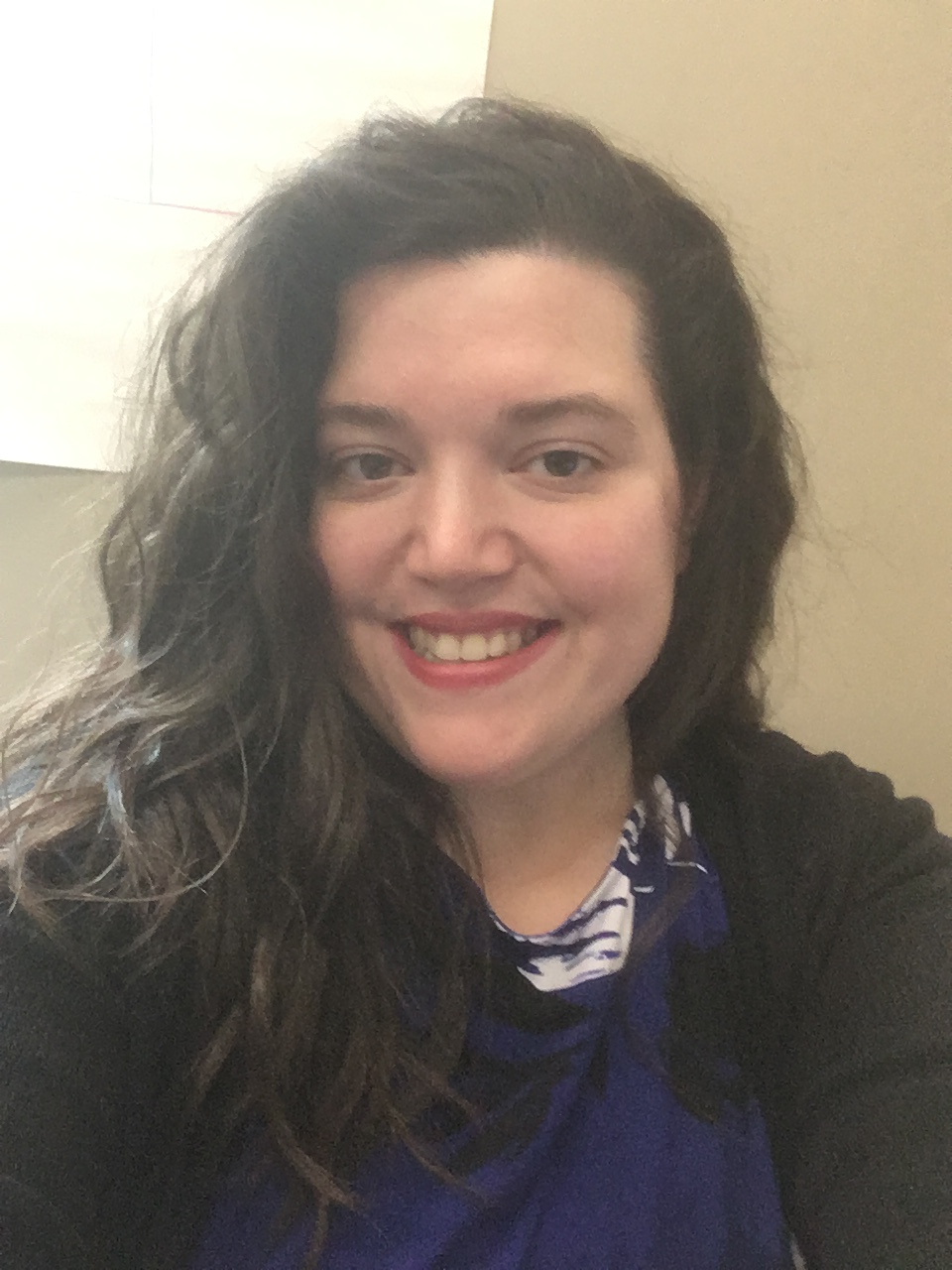 Bethany Bruno is a Floridian author and amateur historian. Born in Hollywood and raised in Port St. Lucie, she holds a BA in English from Flagler College and an MA from the University of North Florida. Her writing has appeared in more than seventy literary journals and magazines, including The Sun, The Huffington Post, The MacGuffin, McSweeney’s, and 3Elements Review. Learn more at www.bethanybrunowriter.com.