
Paula Da Ponte
The Woman Who Fed Everyone
People often ask where my complicated relationship with food began. They assume it started with a stubborn child refusing vegetables or turning away from unfamiliar meals. The truth is far more complicated. It began in a home where food meant survival, sacrifice, love, discipline, gratitude, and sometimes fear, all served from the same pot.
I grew up in Jamaica in a family where there was rarely enough money, but somehow there was always enough determination. My father died when I was only three months old, leaving my mother to raise our family alone. She became provider, protector, cook, seamstress, disciplinarian, and, in every way that mattered to a child, both parents.
Her sewing machine never seemed to rest. It stitched school uniforms, church dresses, and neighbors’ alterations long after the sun had disappeared. During the day, she measured fabric. At night, she measured ingredients, stretching every pound of rice, every handful of flour, every piece of chicken to feed a large family.
To everyone else, she was known as one of the best cooks in the neighborhood.
To me, she was the woman who fed everyone, including the child she could never quite understand.
Our kitchen revolved around one large pot. Whatever was in that pot was what everyone ate. There were no separate meals, no substitutions, and certainly no discussions about likes or dislikes. Refusing food was not simply considered impolite; it could be seen as rejecting my mother’s sacrifice. In our Jamaican home, food was never just nourishment. It was love, respect, hospitality, and gratitude. To refuse it felt almost like refusing the family itself.
Yet every mealtime filled me with quiet dread.
Long before I saw what was on my plate, my body had already begun to brace itself.
The grayish, soft honeycomb tripe, swimming in rich brown gravy with butter beans spooned over white rice, made my head spin before I took the first bite. Sometimes knowledge isn’t a good thing. I already knew this wasn’t something my body would willingly accept.
Then there was the whole fried fish.
Its cloudy eyes seemed to stare back at me while rows of tiny bones lay hidden beneath perfectly crisp skin. Everyone else admired how beautifully it had been prepared.
All I could think about was the day I choked on a fish bone. For one terrifying moment, I believed I was going to die
From that day on, I never saw fish the way everyone else did.
While my brothers and sisters looked forward to dinner, I learned to study every plate before anyone noticed. I wasn’t searching for the biggest piece of meat or the most gravy.
I was searching for safety. No one else seemed afraid. Only me.
There was one person who understood my silent struggle better than anyone else—my sister.
Without a word, we created our own silent exchange beneath the dinner table.
As the meal unfolded, our bare feet would find each other beneath our chairs. A gentle nudge meant she was ready. While everyone else’s attention drifted between conversation, prayer, and passing dishes, I quietly slipped part of my meal onto her plate.
Looking back, I think of it as our childhood barter system. She received the food.
I received the invisible nourishment of relief. She left the table feeling full.
I left carrying a little less fear.
Neither of us thought of it as deception. It was simply the way two sisters protected one another. She understood what no one else seemed to see—that I wasn’t refusing food to be difficult. I was trying to quiet the panic that arrived with every meal. Without ever saying so, she carried part of that burden for me, one spoonful at a time.
* * *
Adults thought I was stubborn. Some laughed. Others scolded. Many believed I would eventually eat if I became hungry enough.
But hunger and fear can exist on the same plate.
As a child, I had no words for what I was experiencing. Certain smells overwhelmed me. Certain textures made my throat tighten. My stomach would knot before the meal had even begun. What others experienced as dinner, I experienced as uncertainty.
Looking back now, I realize my mother and I were fighting different battles. She worried about feeding a large family with limited resources.
I worried about swallowing food that my body seemed determined to reject. Neither of us understood the other’s struggle.
Years later, I came to understand something even deeper. My mother had inherited her own understanding of food from generations who survived hardship, scarcity, and sacrifice. Waste was unthinkable. Gratitude was expected. Children were taught to appreciate whatever appeared on their plates because tomorrow’s meal was never guaranteed.
She wasn’t trying to create fear. She was trying to create resilience.
I was simply the child who experienced those lessons differently.
As an adult, becoming a vegetarian wasn’t an act of rebellion. It was an act of reconciliation. For the first time, I stopped fighting my own instincts and began listening to them. Eating became less about fear and more about peace. I stopped trying to become the eater everyone expected me to be and accepted the person I had always been.
That acceptance transformed my memories of my mother.
The story was never about a picky eater and an impossible parent. It was about two people trying, in different ways, to survive.
Today, when I prepare simple meals filled with fruits, vegetables, grains, eggs, and dairy, I sometimes think about that crowded kitchen in Jamaica. I remember the steady rhythm of the sewing machine. I remember the aroma drifting from the large pot before dinner. I remember my mother’s tired hands and determined spirit. I also remember the frightened little girl who longed to eat without fear, to wear one special dress, and simply to belong.
Both memories are true. She fed everyone she could.
Even the child who struggled to eat.
Perhaps that is the greatest lesson she ever taught me. Love is not always understood in the moment. Sometimes it takes decades to recognize that while food shaped my deepest fears, it also revealed my mother’s greatest expression of love.
We were never enemies, sitting across the dinner table.
We were two survivors, nourished by the same hands, each carrying a different hunger.
Back to “Motherhood and the Body”
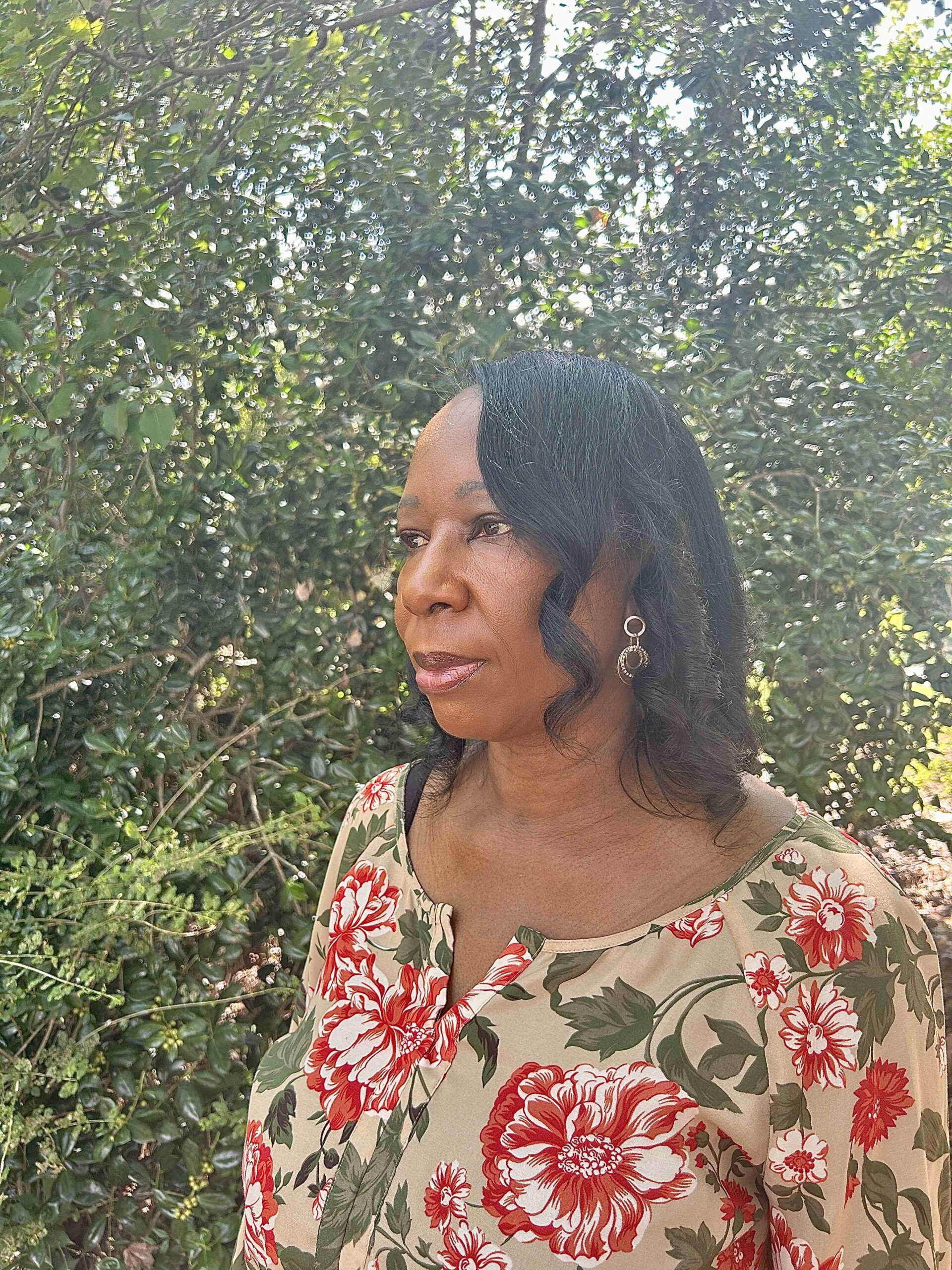 Paula Da Ponte is a writer and psychotherapist whose work explores grief, family, memory, identity, and the unexpected places where healing begins. Born in Jamaica, she draws on cultural memory and lived experience to create intimate, reflective narratives. She is the author of Did You Remember to Live? A Grief Anthology and is currently completing her second poetry collection.