
Curated by Melissa Joplin Higley
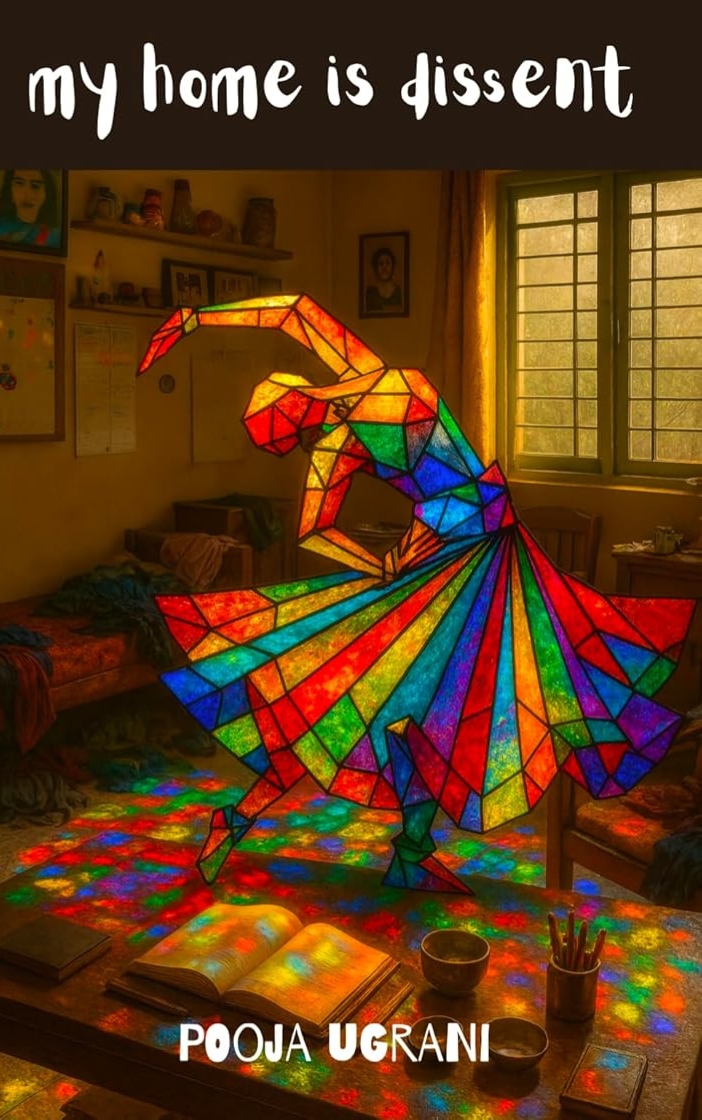 Pooja Ugrani, My Home is Dissent, Poetrywala, February 2026, poetry
My Home is Dissent is a luminous poetry collection that moves fluidly between the everyday and the elemental, where the domestic becomes a site of quiet resistance and reimagining. Ugrani’s dissent hums through acts of nurture and refusal, through the courage to remain soft in a world that demands armour. Her poems measure the dimensions of love, labour, and loss through the delicate instruments of memory, architecture, and motherhood. Formally supple and sensorial, cerebral and sensuous, her work folds the architectural and the emotional into one continuum. This world of words writes of labour, love, and dissent as acts of design—as deliberate gestures that hold the self together. Praised by acclaimed authors including Sampurna Chattarji, Maithreyi Karnoor, and poet Srividya Sivakumar, this collection participates physically in the making of poetry, not only through language but also through the palpability of the body’s experiences. Here is a poet testing her wings, where dissension may well be a heartbeat away from dissection.
 Merrill Joan Gerber, Someone Should Know This Story, Sagging Meniscus Press, April 2026, literary fiction (short stories)
“Someone Should Know This Story is both the name of this book and the wish of my heart,” writes Merrill Joan Gerber in the introduction to this retrospective collection of twenty-five stories written over a period of four decades, many of which won awards and appeared in widely read periodicals such as The New Yorker, The Atlantic, Redbook, and Mademoiselle. Gerber takes her teacher Andrew Lytle’s advice to “follow the thread back into the labyrinth” of the heart and its secrets. Finding its starting place with the crises of everyday family life—its conflicts, betrayals, confinements, and its devastating losses—she and her characters constantly reencounter themselves and the persistent yearning to “convey to others what we are” with grace and breathtaking honesty.
 Tina Kelley, Field Guide to North American Words, Jacar Press, May 2026, poetry
With wonder, wit, and playfulness, the poems in Field Guide to North American Words explore the joy found in nature, the value of close attention, and the humor, quirkiness, and pathos of human relationships. They create a field guide to being alive in a changing, vanishing, astonishing world. Across blessings, elegies, and lexicons of invented or endangered words, her language becomes a sacrament: something you take, eat, and use to survive. With a voice both fiercely intelligent and deeply maternal, Kelley proves that noticing is a form of resistance.
 W. Oxnard, The Leg in Question, Unsolicited Press, May 2026, literary fiction (short stories)
From post–World War I New York to pandemic-era Savannah, from the quiet kitchens of Maine to the heat-soaked streets of Malaysia, The Leg in Question unravels the strange, haunting, and often darkly funny ways our flesh betrays us. A young woman insists her healthy leg must be removed. A physician faces ghosts of the living and the dead. A mountain cabin turns feral. A debutante circuit shields a gay man on the cusp of a terrifying new epidemic. Across sixteen stories, doctors and patients collide in moments where the body’s mysteries—its failures, obsessions, hungers, and grief—expose the fragile seams between sanity and longing. These are tales of medicine and mortality, yes, but also of the tender, reckless, astonishing human spirit trying to make sense of it all.
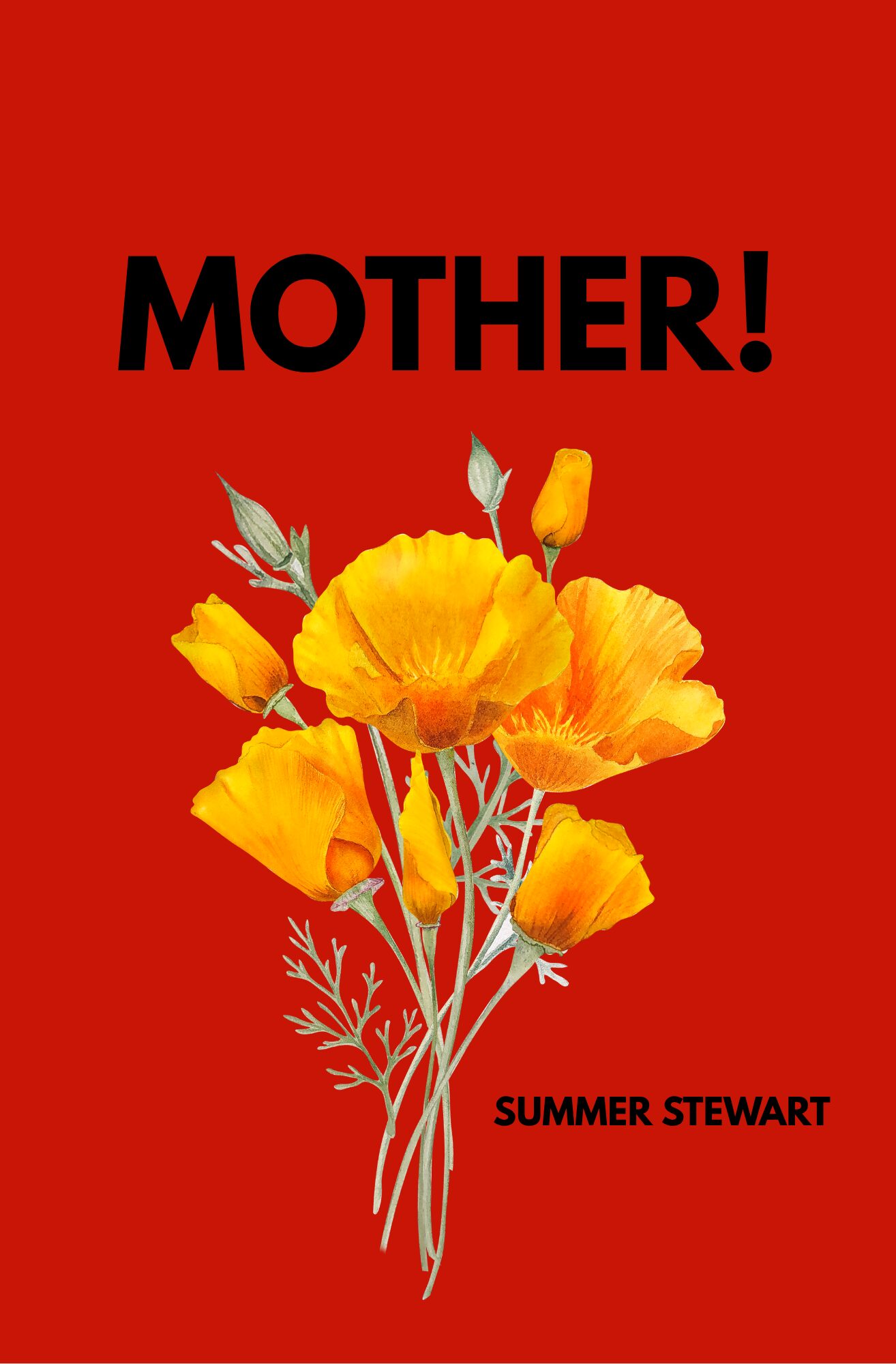 Summer Stewart, MOTHER!, Unsolicited Press, May 2026, poetry and creative nonfiction (essays)
MOTHER! by Summer Stewart is a genre-defying collection of poetry and essays that interrogates what it means to be made—and remade—as a woman. Moving through girlhood, the body, labor, relationships, and motherhood, the book dismantles the idea that identity is self-determined, revealing instead how it is shaped through expectation, silence, and survival. Blending intimate narrative with sharp cultural analysis, Stewart explores pregnancy, loss, sexuality, and care as lived realities rather than abstract concepts. Her work exposes the invisible systems women sustain—within families, partnerships, and institutions—while examining the psychological and physical costs of carrying what is never fully named. At once deeply personal and structurally aware, MOTHER! reframes motherhood not as a role, but as a condition that illuminates broader truths about autonomy, power, and inheritance. In doing so, Stewart offers not resolution, but recognition and a path toward self-definition that does not rely on disappearance.
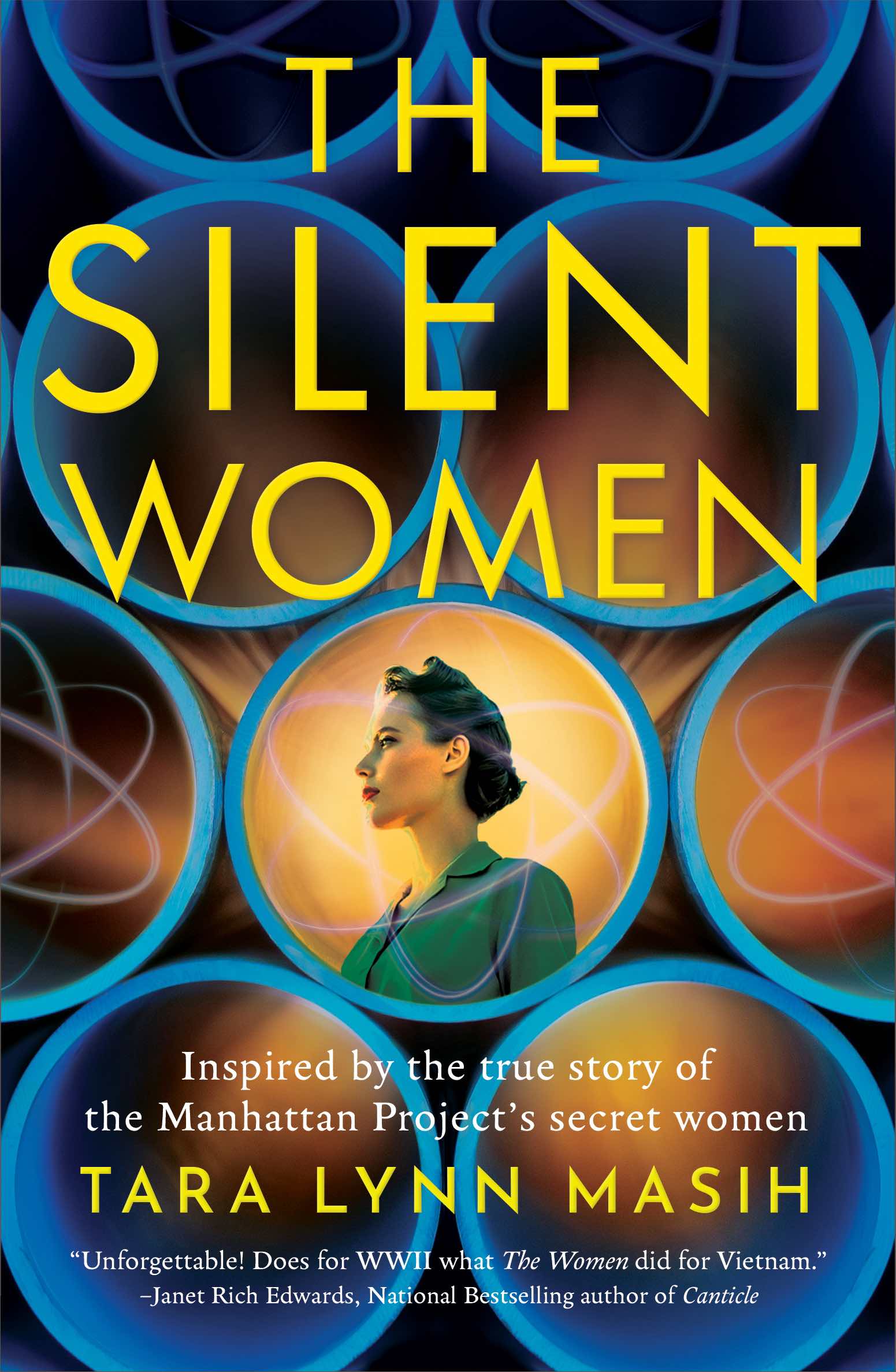 Tara Lynn Masih, The Silent Women: Inspired by the true story of the Manhattan Project’s secret women, Storm Publishing, September 2026, literary fiction (novel)
Oklahoma, 1935. Black Sunday. From the moment a wall of black dust devours the plains and buries her world, Song Holloway’s life is marked by dislocation and loss. Even in the rural New England town she now calls home, that dark cloud continues to follow her. Then the army asks her to take up work at a classified facility in the muddy outpost of Oak Ridge, a city that doesn’t appear on any map. Trained to test pipes, Song searches for leaks in a system no one will explain. The work is dangerous. People vanish. Yet it’s here, behind the barbed wire and watchtowers, that she finds what the dust storm stole: a place to belong and women who become her second family. And there is Hol―a gentle soldier who gives her, for the first time, peace. Until she’s summoned. A small room. Two agents. Men with power she will never have. Song is given a command: spy on the women in your life. In a city built on secrets, keeping quiet used to be enough. Now it makes her complicit. But Song’s choices will haunt her long after she learns what flowed through those pipes. The Silent Women is a sweeping, absorbing, and deeply human story about chosen family, moral courage, and what it costs to live with the truth.
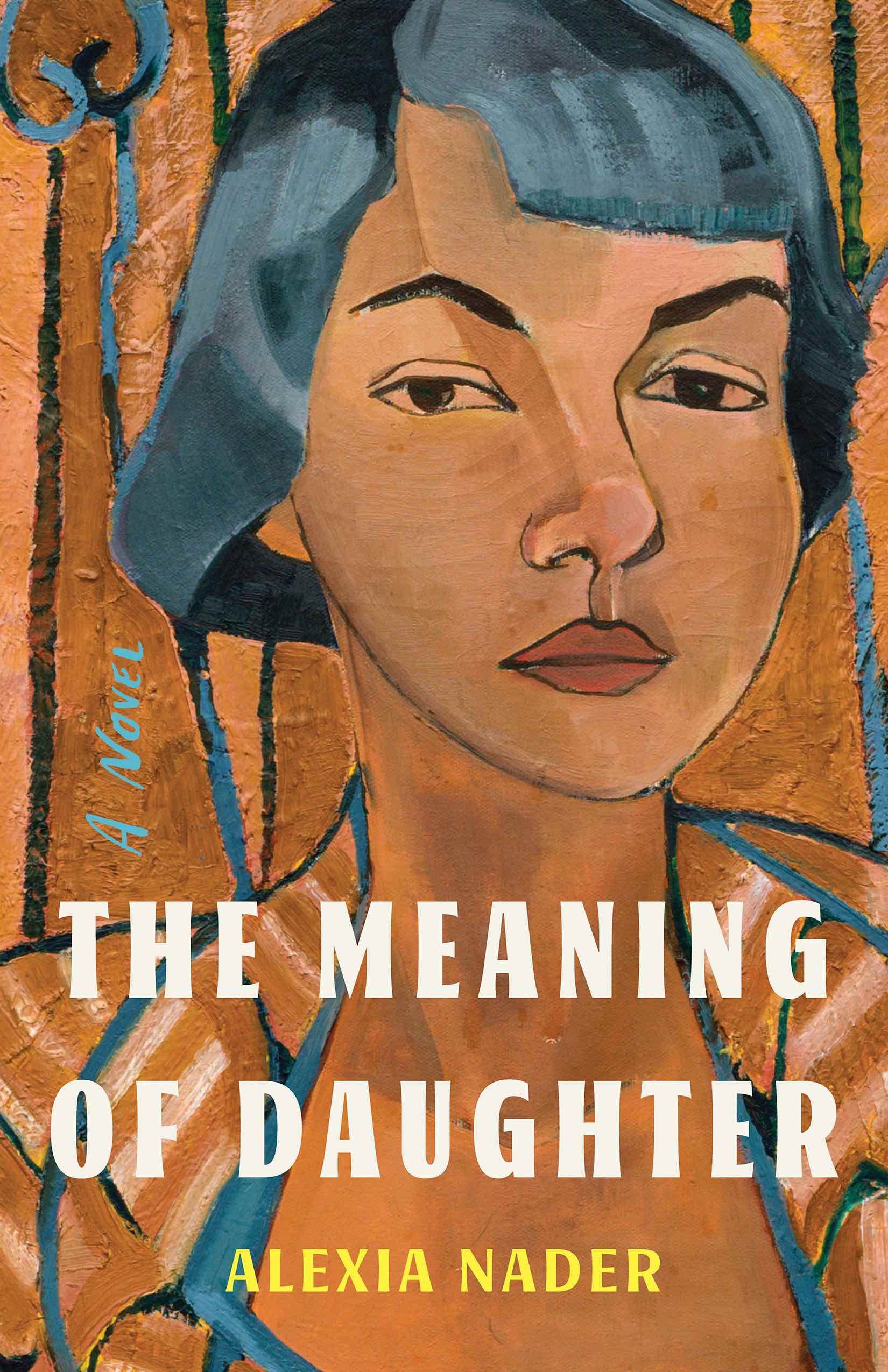 Alexia Nader, The Meaning of Daughter, University of Iowa Press, September 2026, literary fiction (novel)
After immigrating from Lebanon to Haiti as a young girl, Merjan comes of age in an insular, conservative community, where it seems as though her sole escape is marriage. Striking a bargain with a young art dealer, she marries and dreams of becoming a painter, only to discover her husband’s support tethered with expectations. In the late 1970s, Merjan’s daughter Yvonne is a young woman on the cusp of a marriage of convenience. Though resentful of her mother, Yvonne dreams of establishing a Haitian art gallery in New York with the help of a well-connected older man—but her time there ends disastrously, creating a deep rift between her and her family. In the present day, Yvonne’s daughter Eva is a student whose art draws inspiration from her grandmother Merjan’s largely undiscovered work. When Eva becomes unexpectedly pregnant, she moves back to her childhood home in Miami to sort out her ambivalent feelings, where she finds her family upended by feuds. An intimate family saga, The Meaning of Daughter explores questions about maternal ambivalence, ambition, artmaking, and how desire resists gendered expectations.
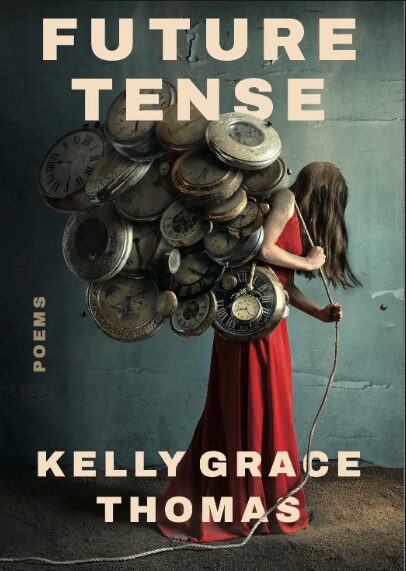 Kelly Grace Thomas, Future Tense, Alice James Books, October 2026, poetry
Reckoning with infertility, adoption, and love under pressure, Kelly Grace Thomas’s Future Tense is a searing memoir-in-verse about a woman’s fight to become a mother while losing her own. Thomas spends three years trying for a child who never arrives. As she struggles with infertility, her mother is dying of Stage IV uterine cancer, and the desire for a child turns urgent—a countdown. As her mother’s health deteriorates, time narrows, pressure builds, and the clock refuses to slow. As her marriage strains and the world remakes itself without her, Thomas refuses to give up. Intimate and unflinching, Future Tense interrogates the intertwined joys and griefs of womanhood and motherhood—and how biology can sometimes turn against us. Thomas approaches illness and loss with clarity and care, writing with a generosity that welcomes readers in. Despite their brevity, these poems refuse despair, finding meaning and connection even in the hardest seasons of life.
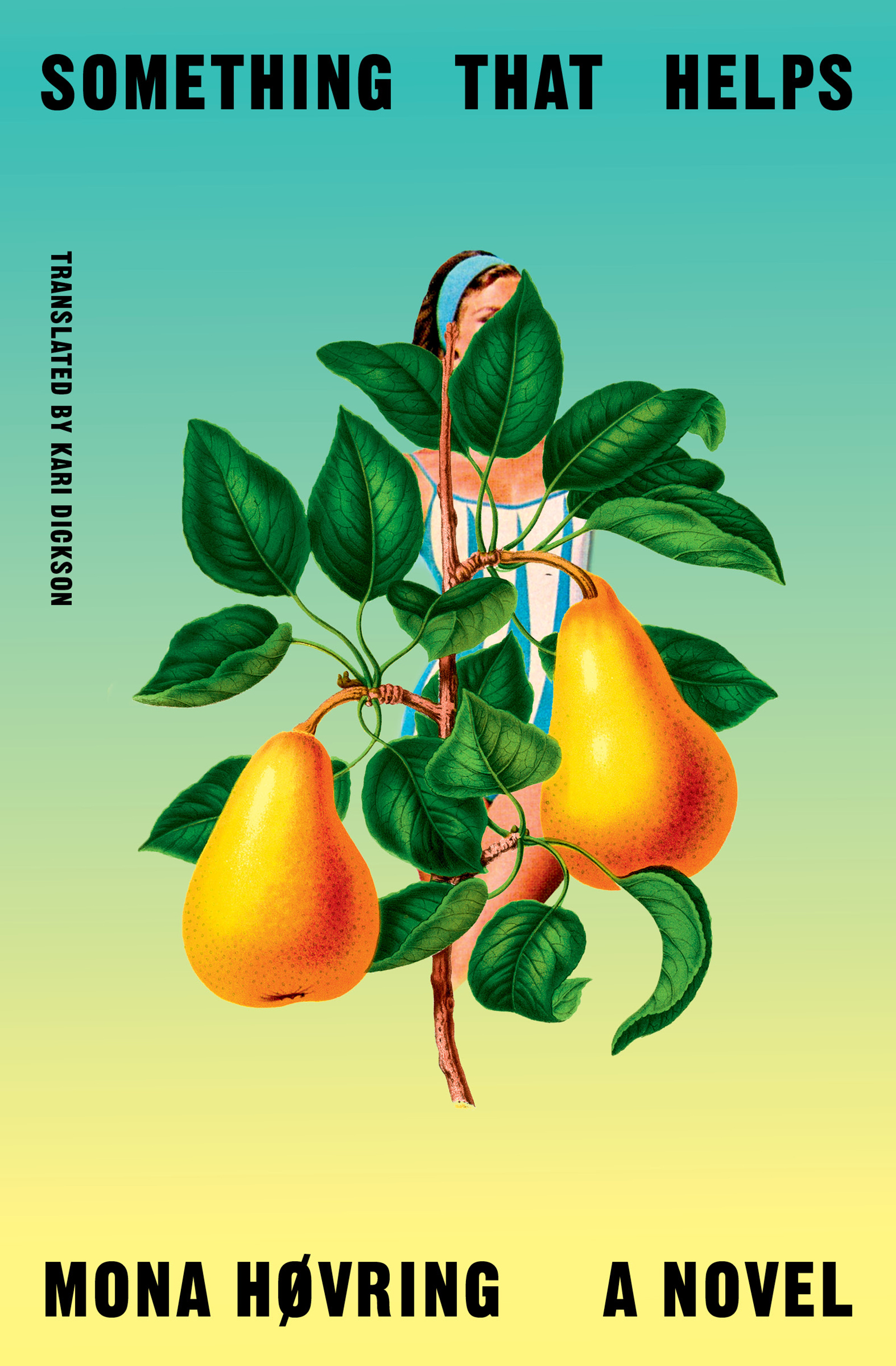 Mona Høvring, Translated by Kari Dickson, Something That Helps, Book*hug Press, October 2026, literary fiction (novel)
Laura is in her late teens, living in a small coastal town in Western Norway during the summer before her final year of school. Haunted by the death of her mother by suicide, she has a strained relationship with her fisherman father and feels the absence of her brother and closest friend, both of whom have moved away. Equal parts lonely and bewildered, a lack of guidance has made her independent, determined, and vulnerable. When Laura meets the older and more experienced Vivian Koller, the encounter kickstarts a series of events that will come to define her and her future. Crucial influences converge that push the simultaneously childish and adult protagonist into dark places, and eventually to the start of a new life. Written in sensual, poetic prose and masterfully translated by Kari Dickson, Something That Helps is a lush and evocative coming-of-age novel exploring sexuality, grief, loneliness, and queer awakening. Set against the backdrop of a small Norwegian coastal town, the novel is both tender and intoxicating, tracing a young woman’s path toward destruction, reconciliation, and self-discovery.